
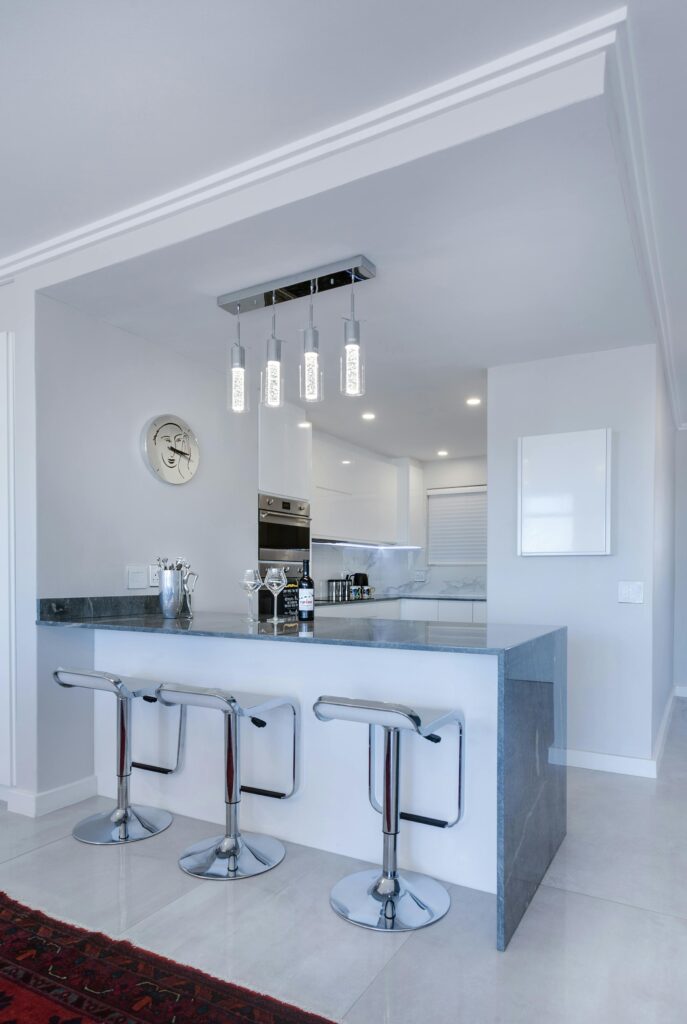
Choosing the perfect backsplash is one of the most important design decisions when planning or upgrading a kitchen. Beyond protecting walls from spills and stains, a backsplash plays a major role in defining your kitchen’s overall style. The right choice can enhance functionality, improve durability, and elevate visual appeal. For homeowners aiming for a long-lasting and stylish kitchen, success lies in balancing texture, color, and durability.
This detailed guide by Kitchen Fixit will help you confidently choose a backsplash that fits your kitchen’s design while standing up to everyday use.
Why the Kitchen Backsplash Is Important
A kitchen backsplash serves as both a protective barrier and a design feature. Located between countertops and cabinets, it is constantly exposed to heat, moisture, grease, and food splashes. Selecting the wrong material can lead to discoloration, mold buildup, or frequent repairs.
A well-planned backsplash:
- Protects walls from water and grease damage
- Enhances kitchen cleanliness and hygiene
- Creates visual harmony between cabinets and countertops
- Adds long-term value to your home
Investing time in the right backsplash choice ensures durability and timeless appeal.
How to Choose the Right Texture
Texture adds depth and personality to your kitchen, but it also impacts cleaning and maintenance.
Smooth surfaces such as ceramic, porcelain, or glass tiles are ideal for busy kitchens because they are easy to clean and resist staining. Textured backsplashes, including stone or handmade tiles, offer a unique aesthetic but may trap grease and require extra upkeep.
Popular texture choices include:
- Subway tiles for a clean and classic look
- Glass tiles to reflect light and brighten the space
- Natural stone for a rustic or luxury feel
- Metal tiles for a modern and industrial appearance
For households that cook frequently, low-maintenance textures are usually the best option.
Selecting the Perfect Color Scheme
Color selection plays a major role in how your kitchen feels and functions. Light colors such as white, beige, or soft gray make smaller kitchens feel larger and more open. Darker tones like charcoal or navy add depth and contrast but may highlight grease or water marks.
When choosing a backsplash color:
- Coordinate with your countertop and cabinet colors
- Use contrast to create visual interest
- Avoid overly trendy colors if you want long-term appeal
Neutral colors remain a safe and versatile choice for most kitchens.
Understanding Durability and Material Strength
Durability is often overlooked but is one of the most important backsplash factors. Kitchens experience constant temperature changes, moisture, and cleaning chemicals.
Highly durable backsplash materials include:
- Porcelain tiles for moisture and heat resistance
- Ceramic tiles for affordability and reliability
- Glass tiles for stain resistance
- Stainless steel for commercial-grade durability
Materials like marble or unsealed stone require more care and regular sealing to prevent damage.
Balancing Style with Everyday Practicality
A beautiful backsplash should not sacrifice function. While bold patterns and textured designs can look impressive, they may not be practical for daily use.
Ask yourself:
- How often do I cook?
- Am I willing to perform regular maintenance?
- Will this design still look good in five to ten years?
For most homeowners, simple patterns combined with durable materials provide the best balance.
Installation Tips for Long-Lasting Results
Even premium backsplash materials can fail if installation is poorly executed. Proper wall preparation, quality grout, and accurate tile spacing are essential.
Professional installation helps:
- Prevent cracking and uneven tiles
- Ensure moisture resistance
- Extend the lifespan of your backsplash
Kitchen Fixit recommends expert installation, especially for complex patterns or premium materials.
Frequently Asked Questions
What backsplash material is easiest to maintain?
Porcelain and glass tiles are the easiest to clean and maintain.
Is a backsplash necessary behind the stove?
Yes, especially heat- and stain-resistant materials are recommended.
Can a backsplash improve home value?
A well-designed backsplash enhances kitchen aesthetics and resale appeal.
How high should a backsplash be?
Standard height is 4 inches, but full-wall backsplashes are popular in modern kitchens.
Final Thoughts
Choosing the perfect backsplash requires careful consideration of texture, color, and durability. A thoughtful balance ensures your kitchen remains stylish, functional, and easy to maintain for years to come. Whether you are remodeling or building new, making informed backsplash decisions will save time, money, and effort.
For expert kitchen upgrades, repairs, or installation support, trust Kitchen Fixit to deliver quality craftsmanship and reliable solutions.