
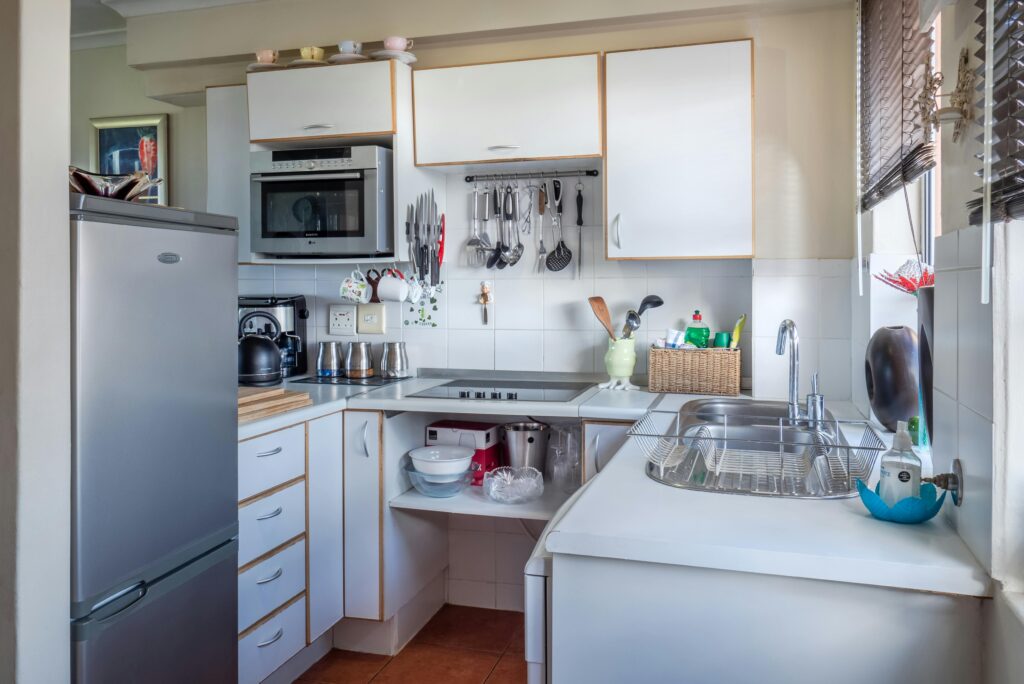
In 2026, biophilic design is transforming kitchens from purely functional spaces into natural, calming environments. By incorporating elements of nature—like plants, natural materials, and natural light—homeowners can create a healthier, more enjoyable cooking experience.
This guide from Kitchen Fixit explains what biophilic kitchen design is, why it’s trending, and practical ways to bring nature into your cooking space.
What Is Biophilic Kitchen Design?
Biophilic design focuses on connecting people with nature indoors. In a kitchen, this means:
- Using natural materials such as wood, stone, and bamboo
- Maximizing natural light and ventilation
- Including living elements like plants or herb gardens
- Creating a calming, organic aesthetic
The goal is to improve well-being, creativity, and comfort while cooking.
Why Biophilic Kitchens Are Trending
Modern homeowners increasingly value mental health, sustainability, and aesthetics. Biophilic kitchens offer:
- Stress reduction: Exposure to natural elements improves mood
- Air quality: Indoor plants absorb toxins and add freshness
- Sustainability: Natural materials reduce reliance on synthetic surfaces
- Timeless appeal: Nature-inspired kitchens remain stylish across trends
Practical Ways to Incorporate Biophilic Design
1. Use Natural Materials
- Wood cabinetry or countertops creates warmth and texture
- Stone or quartz countertops add organic patterns
- Bamboo or cork flooring contributes to sustainability and comfort
2. Maximize Natural Light
- Install large windows or skylights
- Use glass cabinet doors to reflect light
- Position prep areas near sunlight for practical and aesthetic benefits
3. Add Plants and Herbs
- Indoor herb gardens on countertops or windowsills
- Hanging planters or small potted plants for greenery
- Vertical plant walls for a striking focal point
4. Nature-Inspired Color Palettes
- Shades of green, earthy browns, soft blues, and warm neutrals
- Use contrasting textures to mimic outdoor elements
- Keep finishes matte or semi-matte for a natural feel
5. Water Features and Natural Sounds
- Small countertop fountains or built-in water features
- Background sounds of nature can be added via smart speakers for ambiance
Benefits of a Biophilic Kitchen
- Improved mood and creativity: Cooking becomes more enjoyable
- Better air quality: Plants filter toxins and increase oxygen
- Enhanced aesthetics: A natural, relaxing look adds luxury without heavy costs
- Sustainable living: Promotes eco-friendly materials and mindful design
Frequently Asked Questions (FAQs)
1. Can a small kitchen use biophilic design effectively?
Yes. Focus on compact plants, natural textures, and light colors to avoid overwhelming the space.
2. What materials are best for a biophilic kitchen?
Wood, bamboo, cork, stone, and natural fabrics like linen or cotton.
3. How do I maintain plants in the kitchen?
Choose low-maintenance herbs or succulents and place them near natural light sources.
4. Is biophilic design expensive?
Not necessarily. Small touches like potted herbs, wooden cutting boards, and natural textures can create the effect affordably.
Final Thoughts
Biophilic kitchen design combines style, functionality, and well-being, making it one of the most desirable trends of 2026. By incorporating natural materials, plants, light, and calming elements, you can transform your kitchen into a modern, eco-friendly, and inviting space.
Whether you’re remodeling your entire kitchen or making small updates, biophilic design brings the outdoors in and enhances the cooking experience.