
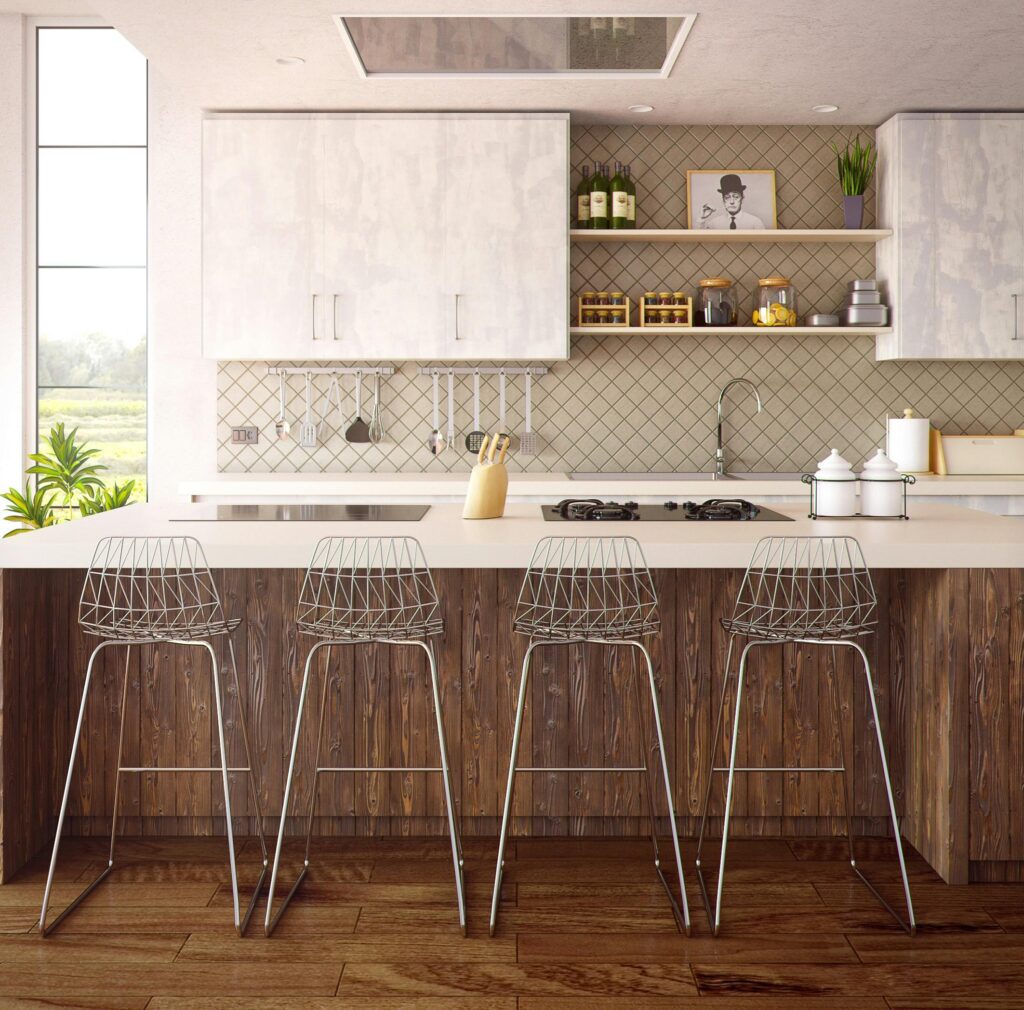
A kitchen remodel is one of the most rewarding home improvement projects, but it can also be overwhelming without a clear plan. From tearing out old cabinets to adding the final decorative touches, each phase requires careful coordination. A structured checklist helps you stay on schedule, manage costs, and avoid costly mistakes.
This comprehensive guide by Kitchen Fixit provides a step-by-step kitchen remodeling checklist to help you move confidently from demolition to décor while ensuring quality and efficiency at every stage.
Step 1: Define Your Remodeling Goals
Before any physical work begins, clearly define what you want to achieve with your kitchen remodel. Are you aiming for better functionality, modern aesthetics, increased storage, or higher resale value?
Key considerations include:
Budget limits and financing
Kitchen size and layout changes
Style preferences (modern, traditional, minimalist)
Long-term needs of your household
Setting clear goals ensures that all decisions align with your vision and budget.
Step 2: Create a Realistic Budget and Timeline
A successful kitchen remodel depends on accurate budgeting and scheduling. Account for materials, labor, permits, and a contingency fund for unexpected expenses.
Important budgeting tips:
Allocate funds for essential upgrades first
Include 10–15% buffer for surprises
Plan a realistic timeline to avoid rushed decisions
Proper planning prevents delays and overspending.
Step 3: Design and Layout Planning
Kitchen design directly impacts usability and workflow. Focus on creating an efficient layout that supports cooking, cleaning, and storage.
Design essentials:
Optimize the kitchen work triangle (sink, stove, refrigerator)
Choose cabinet configurations for maximum storage
Plan lighting and electrical outlets early
Professional design input can help you avoid layout issues later.
Step 4: Obtain Permits and Hire Professionals
Many kitchen remodels require permits for electrical, plumbing, or structural changes. Hiring licensed professionals ensures compliance with local building codes and safety standards.
Benefits of professional contractors:
Proper permitting and inspections
Skilled workmanship
Reduced risk of costly rework
Kitchen Fixit recommends working with experienced professionals for complex remodeling projects.
Step 5: Demolition and Site Preparation
Once planning and permits are complete, demolition begins. This phase involves removing old cabinets, countertops, appliances, and flooring.
Preparation tips:
Protect surrounding areas from dust
Turn off utilities when necessary
Dispose of debris safely
Proper site preparation sets the foundation for smooth installation.
Step 6: Plumbing, Electrical, and Structural Work
After demolition, essential infrastructure work begins. This includes updating plumbing lines, electrical wiring, and any structural modifications.
Key tasks include:
Installing new wiring and outlets
Upgrading plumbing fixtures
Reinforcing walls or floors if needed
Completing this phase correctly is critical for safety and performance.
Step 7: Install Cabinets and Countertops
Cabinet installation defines your kitchen’s structure and storage. Precision is essential to ensure proper alignment and functionality.
Installation considerations:
Level cabinets for long-term durability
Choose countertops based on durability and style
Seal surfaces to prevent moisture damage
Quality installation improves both appearance and lifespan.
Step 8: Flooring, Backsplash, and Painting
With major fixtures in place, it’s time to complete surface finishes. Flooring, backsplashes, and paint add personality and cohesion to your kitchen.
Best practices:
Select slip-resistant, durable flooring
Use easy-to-clean backsplash materials
Apply moisture-resistant paint
These elements enhance both function and aesthetics.
Step 9: Appliance Installation and Lighting
Installing appliances and lighting brings your kitchen to life. Ensure appliances are energy-efficient and compatible with your layout.
Key points:
Properly connect gas and electrical appliances
Install task and ambient lighting
Test all fixtures before finalizing
This stage improves usability and energy efficiency.
Step 10: Final Touches and Decor
The final phase focuses on décor and personalization. Small details make a big impact on the finished look.
Decor ideas include:
Cabinet hardware upgrades
Window treatments
Decorative lighting and accessories
Thoughtful décor completes the transformation.
Step 11: Final Inspection and Cleanup
Before using your new kitchen, conduct a thorough inspection. Check for any installation issues, leaks, or electrical problems.
Final steps:
Test appliances and fixtures
Address punch-list items
Perform deep cleaning
A proper inspection ensures everything meets your expectations.
Final Thoughts
A kitchen remodel is a complex process, but following a clear step-by-step checklist makes it manageable and rewarding. From demolition to décor, careful planning and execution are the keys to success.
For expert remodeling support, repairs, or professional guidance, Kitchen Fixit is your trusted partner in creating a kitchen that combines functionality, style, and durability.